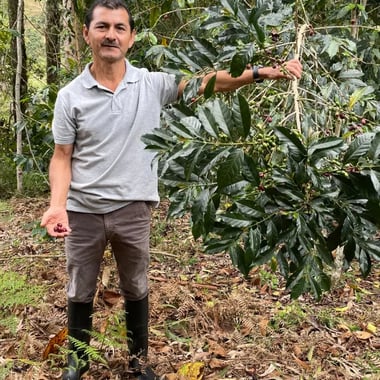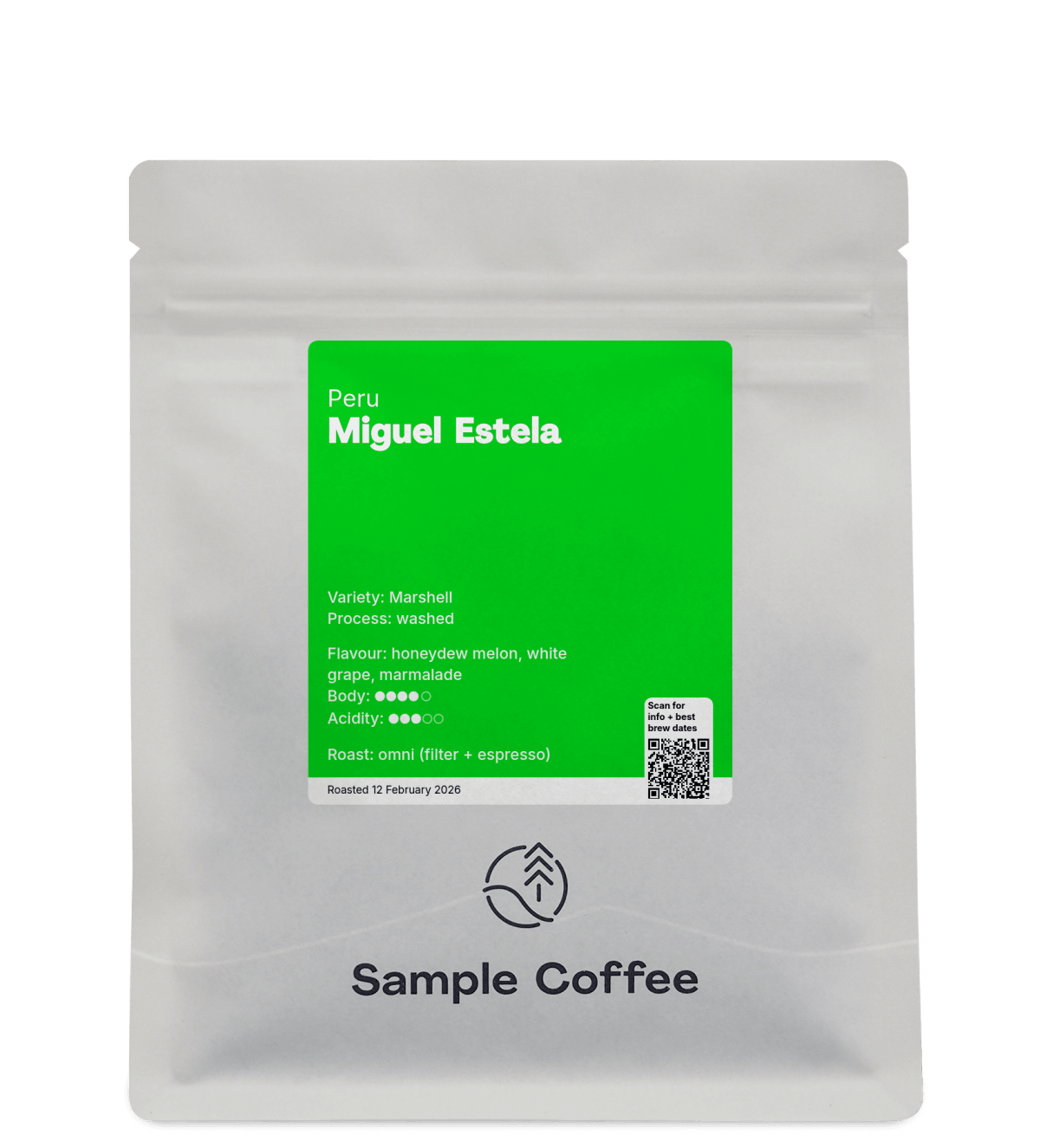
Miguel was born in May 1997 in the province of Cutervo. At the age of 13, due to family immigration within Peru, he moved with part of his family to the province of San Ignacio, where his parents established a new home. There, he dedicated himself to planting and harvesting coffee, eventually starting his own family. Today, his family thrives thanks to the sale of coffee and Miguel’s passion for improving its quality.
Miguel is a dedicated coffee producer with a wife and one son. Like many young people, he has been motivated by the spirit of competition and has worked hard to produce some of the best coffees at Finca El Morito.
Finca El Morito History
The Flores family has been involved in coffee production since the 1970s, with deep roots in the Cajamarca region. Finca El Morito was founded by Faustino Flores, the patriarch of the family, in 2009 when the Flores family relocated to the San Ignacio province of Cajamarca. With a strong passion for innovation and a commitment to quality, the Flores family has steadily improved both the quality and variety of their coffee production.
As a close-knit family and community, the second and third generations have built upon Faustino’s vision, expanding both the family estate and the surrounding community. Located in the northern region of Cajamarca, Finca El Morito has grown internally by fostering a network of family producers. Seventy percent of the coffee produced comes directly from family estates, while the remaining coffee is sourced from the immediate communities of the Flores-Chilcon family.
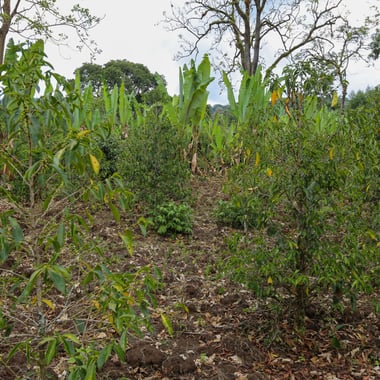
Today, the coffee from Finca El Morito comes from the provinces of Cutervo and San Ignacio in Cajamarca. Due to their dedication and hard work, Faustino Flores’ legacy, along with the efforts of Finca El Morito, has been recognized multiple times in the prestigious Cup of Excellence auctions, with recent placements as recently as 2022.
Coffee Processing
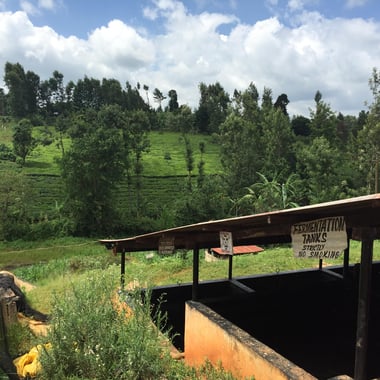
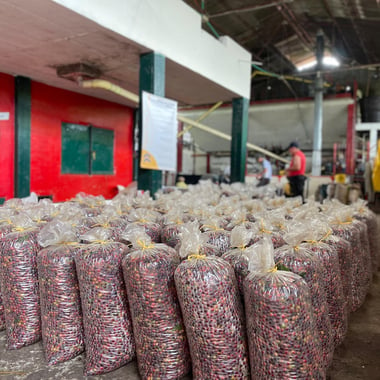
This microlot is harvested by hand, all cherry with a Brix degree higher than 20, then a second selection is made to discard overripe ones. After that, the cherries were fermented in hermetically sealed tanks for 36 hours for a greater concentration of sweetness and then they go through pulping process. Once the pulp is separated from the parchment, we carry out a second fermentation with the remains of mucilage for 36 more hours, completing the 72 hours of fermentation, always taking care of the climatic conditions and thus reaching the washing process with a solid parchment. In general, our microlots obtain double fermentation as a traditional process. Once this process is completed, we dry the coffee in a solar dryer and under shade for 20-25 days. Once these procedures are completed, we perform an analysis of the coffee in roasting and cupping to know the profile and confirm that all the processes were fulfilled according to what was established.